One centre, many languages
My first season at the LAC as artistic director arose from the need to make it clear from the outset that this was not merely a change of scope, but a paradigm shift. It was necessary to affirm that at the LAC, music would not be treated as a legacy to be guarded with kid gloves and good manners, but as a living force, capable of transcending time, languages, images and communities.
The 2026/27 season stems from this, but takes a further step: it does not merely set out a direction. It gives it a more exposed, more conscious, freer form.
At the heart of this season lies the piano, starting with the social history that inhabits it. No instrument has been so deeply linked to the bourgeois spread of music in the nineteenth century:
the salon, the home, education, transcription, the Lied, study, cultural prestige, the very idea that music could become a daily practice, nourriture de l’âme.
In this sense, the piano has been a machine of civilisation and distinction. But precisely because it carries this history with it, it remains today an extraordinarily fertile instrument: few instruments can so clearly combine discipline and desire, construction and impulse, vertical architecture and horizontal flow. In this season, the piano does not appear as a relic of that world, but as its most vital transformation: an expanse of black and white keys upon which the movement of the fingers still unfolds today, from recital to concert with orchestra, from Lied to contemporary music, from jazz to electronic music, right up to the synthetic landscape of Vangelis. Not a symbol of prestige, but a field of possibilities: a centre from which many languages radiate.
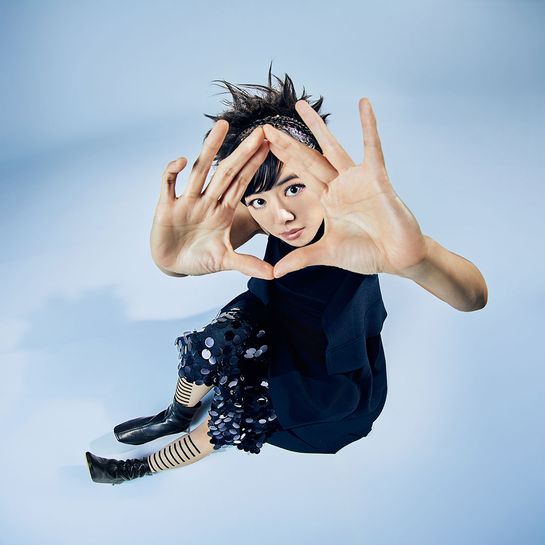
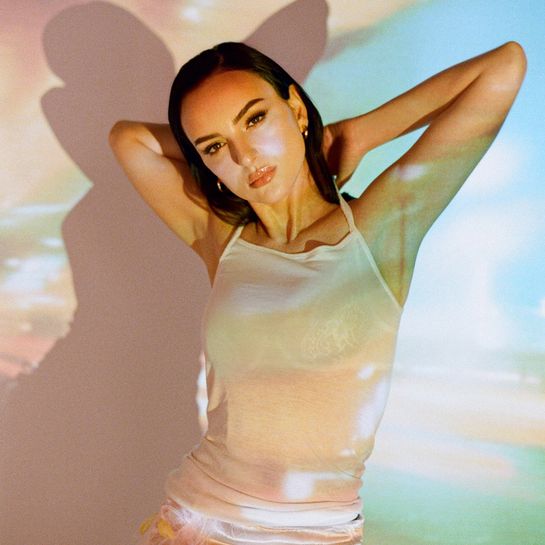
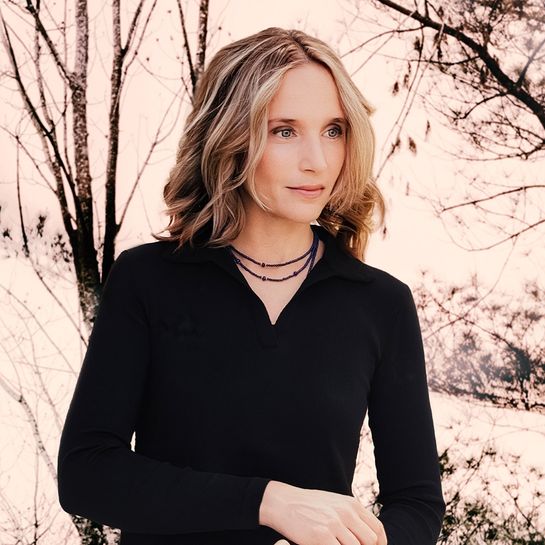
It is within this field that the season’s major piano events are set. Evgeny Kissin takes us to the heart of Beethoven. Hélène Grimaud bridges the gap between Beethoven’s final sonata and Schubert’s final sonata, in a pairing of exceptional clarity and depth. Yuja Wang tackles Brahms’s two concertos. Fazıl Say appears both as a performer and as a composer. Hiromi takes the piano into a realm where rhythm becomes impulse and freedom takes on an almost physical consistency. Ólafur Arnalds, by contrast, offers a more rarefied and oblique counterpoint, already open to another imaginary realm of sound. For this reason, in this season, the piano never coincides with a single idea of music: it changes function, not identity.
It is from this point that Asmik Grigorian’s recital with Lukas Geniušas takes on its particular significance. At that juncture, the piano ceases to be a self-sufficient centre and accepts becoming a relationship, a depth, a shared breath. The keyboard does not merely support the voice: it lays it bare, listens to it, contradicts it, accompanies it to the point where sound becomes an inner word. From there, the season’s operatic side naturally unfolds: the opening gala with Opera for Peace, the project by the Freiburger Barockorchester, the Missa Solemnis. Not as separate chapters, but as points where music, in becoming voice, measures itself against its most inner dimension.
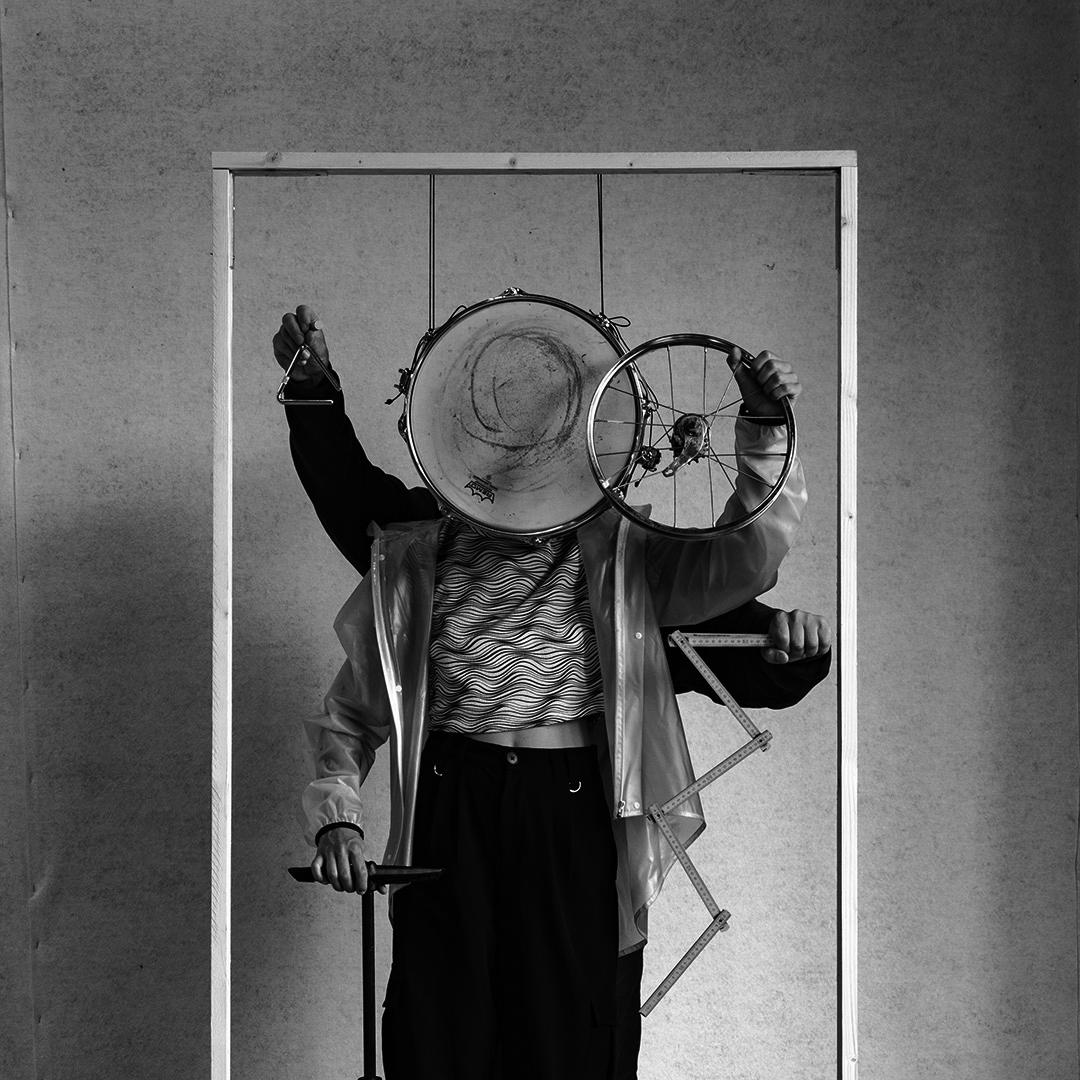
A cultural centre must not merely host languages that are simply close to one another, but create the conditions for them to test one another. It only makes sense if the languages it hosts cease to remain parallel and begin to change through contact. This is why Revolta by the Geneva Camerata matters so much: because it does not simply add dance to Shostakovich’s music, but undermines the very idea of a concert. And this is why the creation by Swiss choreographer Cindy Van Acker, with Eklekto, based on Xenakis’s Pléïades and co-produced by the LAC, matters even more radically: not a collaboration between disciplines, but a shared substance made up of body, rhythm, space, percussion and architecture. It is in this transition that the LAC truly demonstrates what it means to be a centre: not a sum of separate fields, but a space in which different languages articulate themselves, respond to one another, and find a common form without losing their distinctiveness.
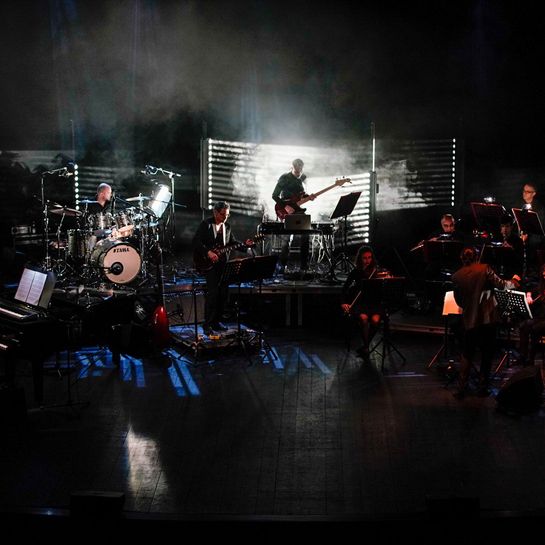
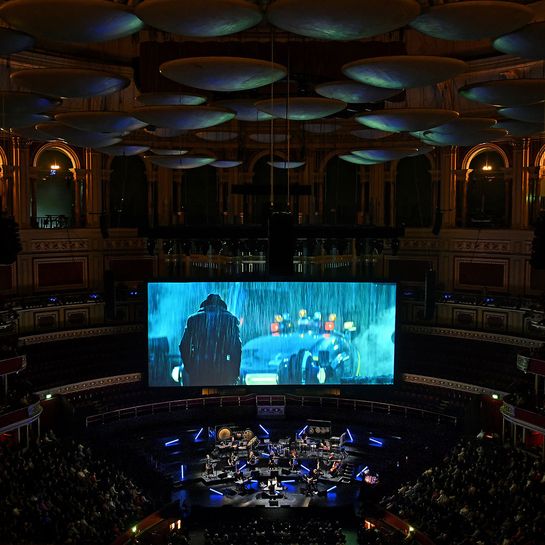
The same applies to cinema, to electronic music, to contemporary creation. Blade Runner with a live orchestra does not enter the season as a blockbuster, but as another figure of time: an artificial, layered, unsettling time, constructed as a memory of the future. Matteo Franceschini’s Songbook pushes in the same direction from another angle, creating tension between song form, ensemble, rock and live electronics. And artists such as Fazıl Say, Dhafer Youssef and Kinan Azmeh demonstrate particularly clearly that the musical present never arises in a vacuum. It arises from a place of origin, a language, a memory. In their case, Turkey, the Arab-Tunisian world, Syria and the Levant are not cultural backdrops to be evoked, but living matrices of musical thought. Precisely for this reason, in their hands, tradition does not present itself as a repertoire to be preserved: it is exposed, transformed, and enters the present as material for creation.
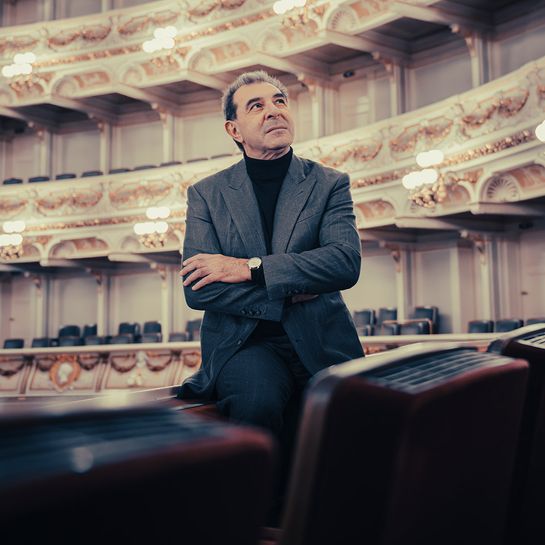
In this context, the Staatskapelle Dresden with Daniele Gatti and Augustin Hadelich does not appear to reassure those who recognise the value of a season only when they find a few established names within it. It arrives as the season’s second major symphonic event to make clear from the outset the level at which this season intends to position itself. The openness to different languages, to the contemporary, to dance, to cinema and to electronic music does not stem from a lowering of ambition, but from a broader and more demanding vision of what a cultural institution must be today.
This is my first season at the LAC in the dual role of Artistic Director and General Manager. I am well aware that a figure such as myself is expected, above all, to provide balance, sound management and rigour. All this is necessary, but it is not enough. A cultural institution does not survive simply because it functions. It survives because it makes choices, because it takes a stand, because it establishes a centre and accepts everything that centre entails: risk, vision, conflict, responsibility.
This is why the 2026/27 musical season was not designed to meet expectations. It was designed to bring to life a vision of the LAC in which the piano does not reassure but explores; where the voice does not simply introduce a lyrical dimension, but takes the music towards a more exposed realm of speech and breath; where dance reshapes the form of the concert; where cinema and electronics broaden the scope of sound; where the contemporary is not a separate sector, but a way of being in time.
Andrea Amarante
General Director and Artistic Director of Music